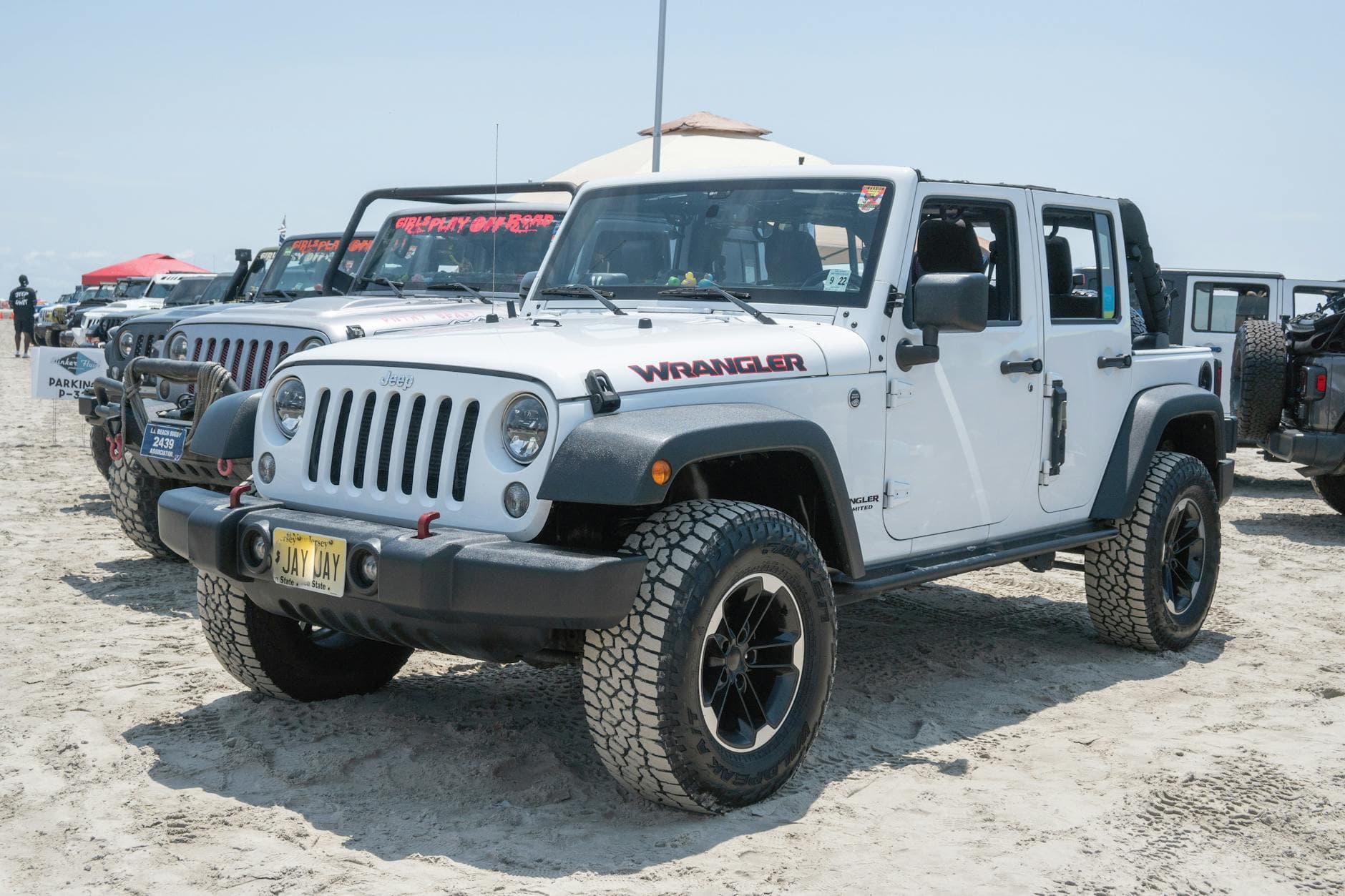
The History of Jeep
From battlefield to backroads: The legendary journey of an American icon
The Jeep brand has become synonymous with adventure, freedom, and rugged capability. What started as a military necessity during World War II has evolved into one of the most recognizable and beloved vehicle brands in the world. Here's the story of how the Jeep came to be and how it's evolved over the decades.
1World War II Origins (1940-1945)
The Military's Urgent Need
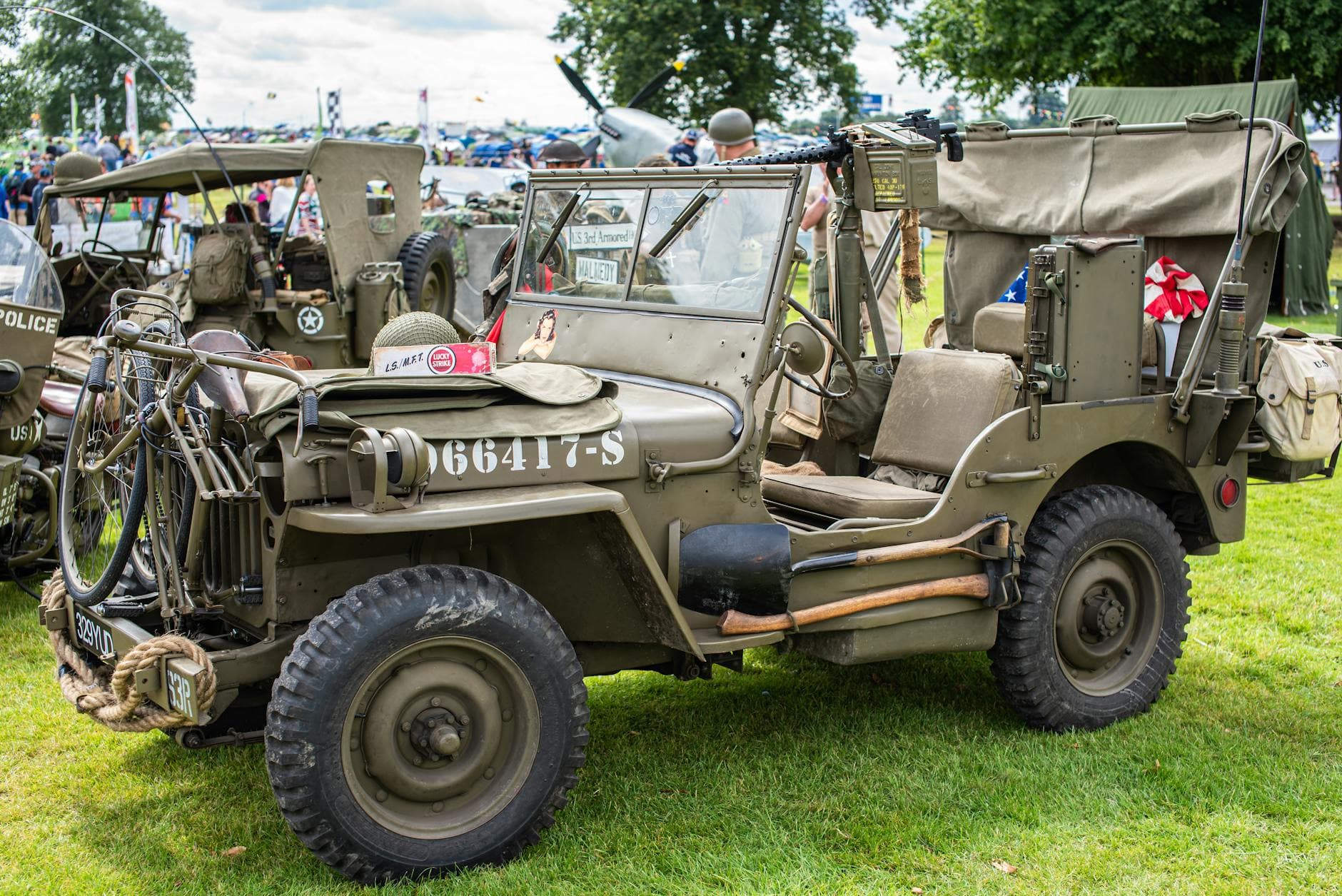
On June 27, 1940, with Nazi Germany conquering Europe and war looming for America, the U.S. Army Quartermaster Corps issued an urgent request for a "light reconnaissance and command car." The specifications were nearly impossible: the vehicle had to weigh no more than 1,300 pounds (later raised to 2,160 pounds), have a wheelbase under 75 inches, feature four-wheel drive, carry a 660-pound payload, and be capable of mounting a .30 caliber machine gun.
Perhaps most daunting was the deadline: manufacturers had just 49 days to deliver a working prototype and 70 more units for testing. Of the 135 manufacturers invited to bid, only two companies responded by the deadline—American Bantam Car Company and Willys-Overland.
The Three Competitors
American Bantam Car Company
A tiny Butler, Pennsylvania company on the verge of bankruptcy, Bantam was an unlikely hero. Chief engineer Karl Probst, working without pay, designed the Bantam Reconnaissance Car (BRC) in just five days. On September 23, 1940, Bantam delivered the first prototype—the only company to meet the original deadline. This vehicle, hand-built in just 49 days, is considered the first Jeep ever made.
Tragically, the Army shared Bantam's innovative designs with competitors, and the small company couldn't scale production to meet wartime demands.
Willys-Overland
Though late with their prototype (delivered November 13, 1940), Willys had a crucial advantage: the "Go Devil" engine—a 60-horsepower L-head four-cylinder that delivered significantly more power than competitors. Chief engineer Delmar "Barney" Roos refined the design into the legendary Willys MA and ultimately the Willys MB, which became the standard.
Willys produced 363,000 MB Jeeps during the war—about 55% of total production.
Ford Motor Company
Entering the competition late, Ford submitted their Ford GP (G for government, P for 80-inch wheelbase) prototype. When Willys couldn't meet production demands alone, Ford was contracted to build Jeeps using Willys' design, producing the Ford GPW (W for Willys design).
Ford produced approximately 280,000 GPW Jeeps—about 45% of wartime production.
The Name "Jeep"
The origin of the name "Jeep" remains debated among historians. The most popular theories include:
- Military Slang for "GP": Soldiers slurred "G.P." (General Purpose) into "Jeep"
- Eugene the Jeep: A magical creature from E.C. Segar's Popeye comic strip (debuting 1936) that could go anywhere and do almost anything—much like the vehicle
- Test Driver Exclamation: Willys test driver Irving "Red" Hausmann reportedly called it a "Jeep" during a 1941 demonstration for journalists
- Military Tradition: "Jeep" was already slang for new, unproven vehicles and recruits
The first documented print use of "Jeep" for the vehicle appeared in the Washington Daily News on February 19, 1941, when Katherine Hillyer wrote about the vehicle climbing the Capitol steps.
Wartime Service
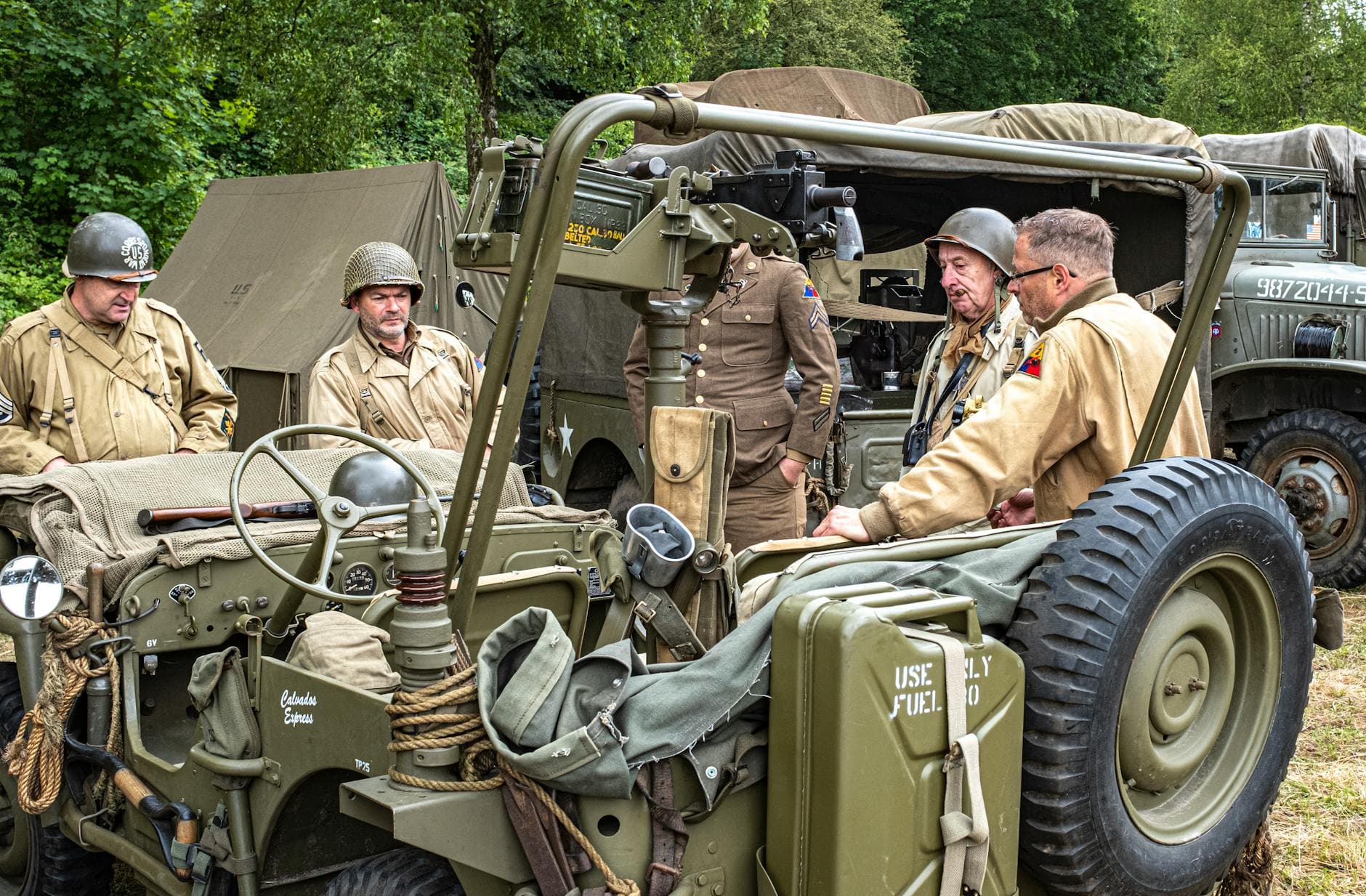
Over 640,000 Jeeps were built during World War II, serving in every theater of operation. The Jeep proved incredibly versatile, adapted for roles its designers never imagined:
- Reconnaissance and Command: Its original purpose—fast, mobile command posts
- Ambulance: Fitted with litter racks to carry wounded soldiers
- Weapons Carrier: Mounted with machine guns, bazookas, and recoilless rifles
- Wire Layer: Strung communication cables across battlefields
- Snow Plow: Cleared roads in winter campaigns
- Fire Truck: Equipped with pumps and hoses for airfield fires
- Mobile Power Unit: Powered equipment via PTO (power take-off)
- Railroad Mover: Fitted with flanged wheels to move on train tracks
"The Jeep, the Dakota, and the Landing Craft were the three tools that won the war."— General George C. Marshall, U.S. Army Chief of Staff
"It's as faithful as a dog, as strong as a mule, and as agile as a goat."— War correspondent Ernie Pyle
Willys MB Specifications
| Engine | Willys "Go Devil" L-134, 2.2L I4 |
| Horsepower | 60 hp @ 4,000 rpm |
| Torque | 105 lb-ft @ 2,000 rpm |
| Transmission | 3-speed manual with 2-speed transfer case |
| Wheelbase | 80 inches |
| Curb Weight | 2,453 lbs |
| Top Speed | 65 mph |
| Total Produced | ~640,000 (MB + GPW combined) |
2The CJ Era: Civilian Jeeps (1945-1986)
After World War II ended, hundreds of thousands of soldiers returned home having driven Jeeps across Europe, Africa, and the Pacific. They wanted one for themselves. Willys-Overland, recognizing this demand, wasted no time converting their military workhorse into a civilian vehicle. On July 17, 1945—just two months after V-E Day—they introduced the CJ-2A, the first civilian Jeep. The "CJ" designation stood for "Civilian Jeep."
Willys marketed the CJ not just as a recreational vehicle but as "The All-Around Farm Work Horse"—a versatile tool that could plow fields, haul equipment, and navigate rough terrain that trucks couldn't handle. This agricultural marketing was revolutionary and established the Jeep's identity as a working vehicle.
The Complete CJ Lineup
CJ-2A (1945-1949) — The Pioneer
The first civilian Jeep introduced key differences from the military MB: a tailgate, side-mounted spare tire, larger headlights (7 inches vs 6 inches), an external fuel cap, and available in colors beyond olive drab. It retained the "Go Devil" engine but added creature comforts like a draw-bar and power take-off for farm equipment.
Production: 214,202 units | Engine: 134ci "Go Devil" L-head, 60 hp | Price: $1,090
CJ-3A (1949-1953) — Refined Design
The CJ-3A introduced a one-piece windshield (replacing the flat, two-piece military design), a ventilating windshield that could swing outward, and improved wipers. The vent feature allowed air flow while protecting from rain—perfect for agricultural work in all weather conditions.
Production: 131,843 units | Engine: 134ci "Go Devil" L-head, 60 hp | Price: $1,270
CJ-3B (1953-1968) — The High Hood
The distinctive "high hood" Jeep was created to accommodate the new Hurricane F-head engine—a significant upgrade producing 72 horsepower. The taller hood gave the CJ-3B its unique profile. This model proved so popular internationally that it was produced under license in countries including India (Mahindra), Japan (Mitsubishi), and the Philippines.
Production: 155,494 units (US) | Engine: 134ci "Hurricane" F-head, 72 hp | Price: $1,799
CJ-5 (1955-1983) — The Legend
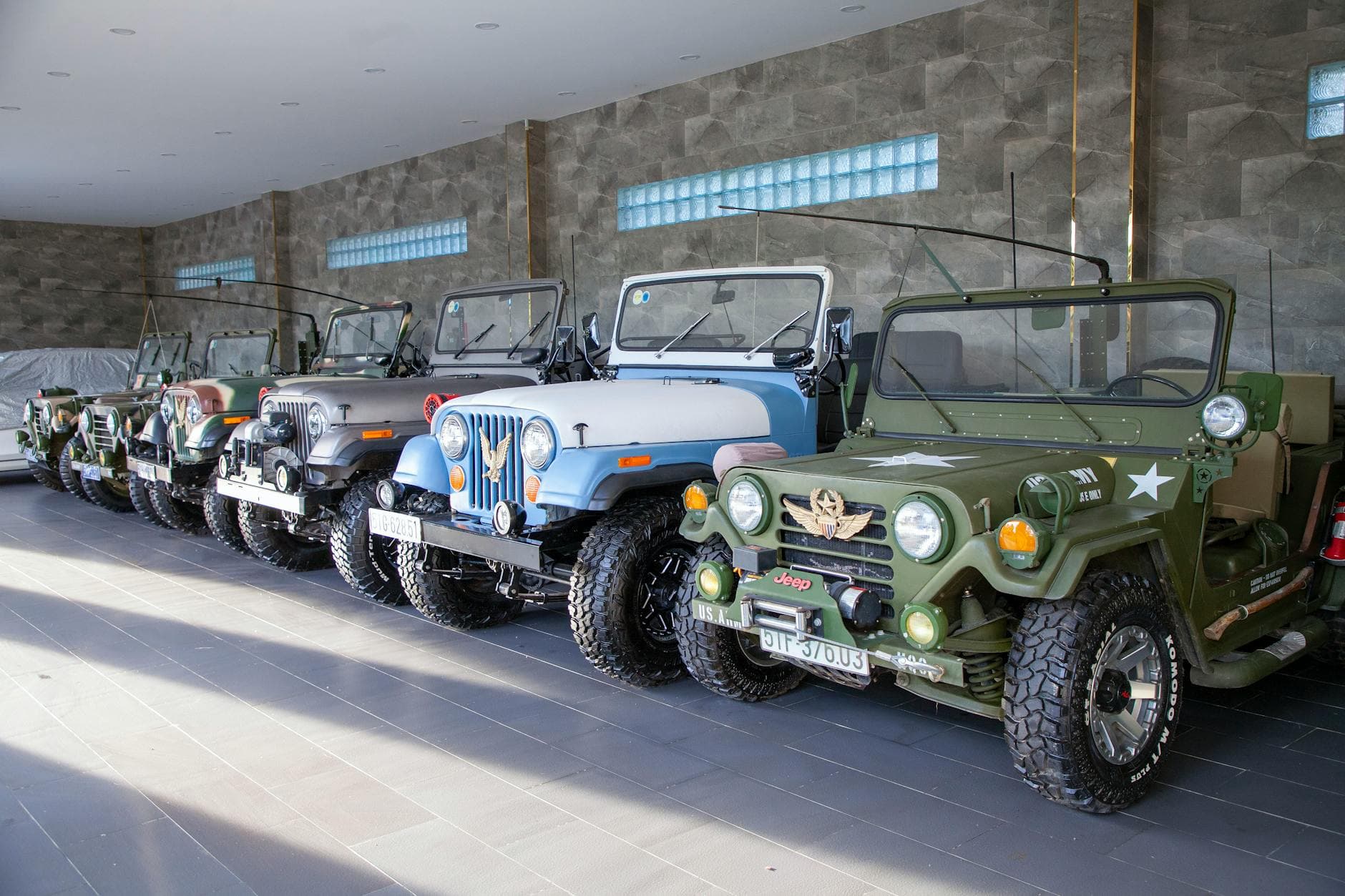
Based on the military M38A1 (used in the Korean War), the CJ-5 featured a completely new body with rounded fenders and a lower hood line. It became the longest-running Jeep model ever—produced for 28 consecutive years and over 600,000 units. The CJ-5 saw numerous engine options over its life, from the original Hurricane F-head to the AMC 304 V8 (1972-1981).
The CJ-5 also spawned the famous Jeep DJ (Dispatcher Jeep)—a two-wheel-drive version used extensively by the U.S. Postal Service for mail delivery.
Production: 603,303 units | Engines: Various, including 225ci Buick V6, 304ci AMC V8 | Notable: Introduced the "Renegade" package (1970)
CJ-6 (1956-1975) — The Long Boy
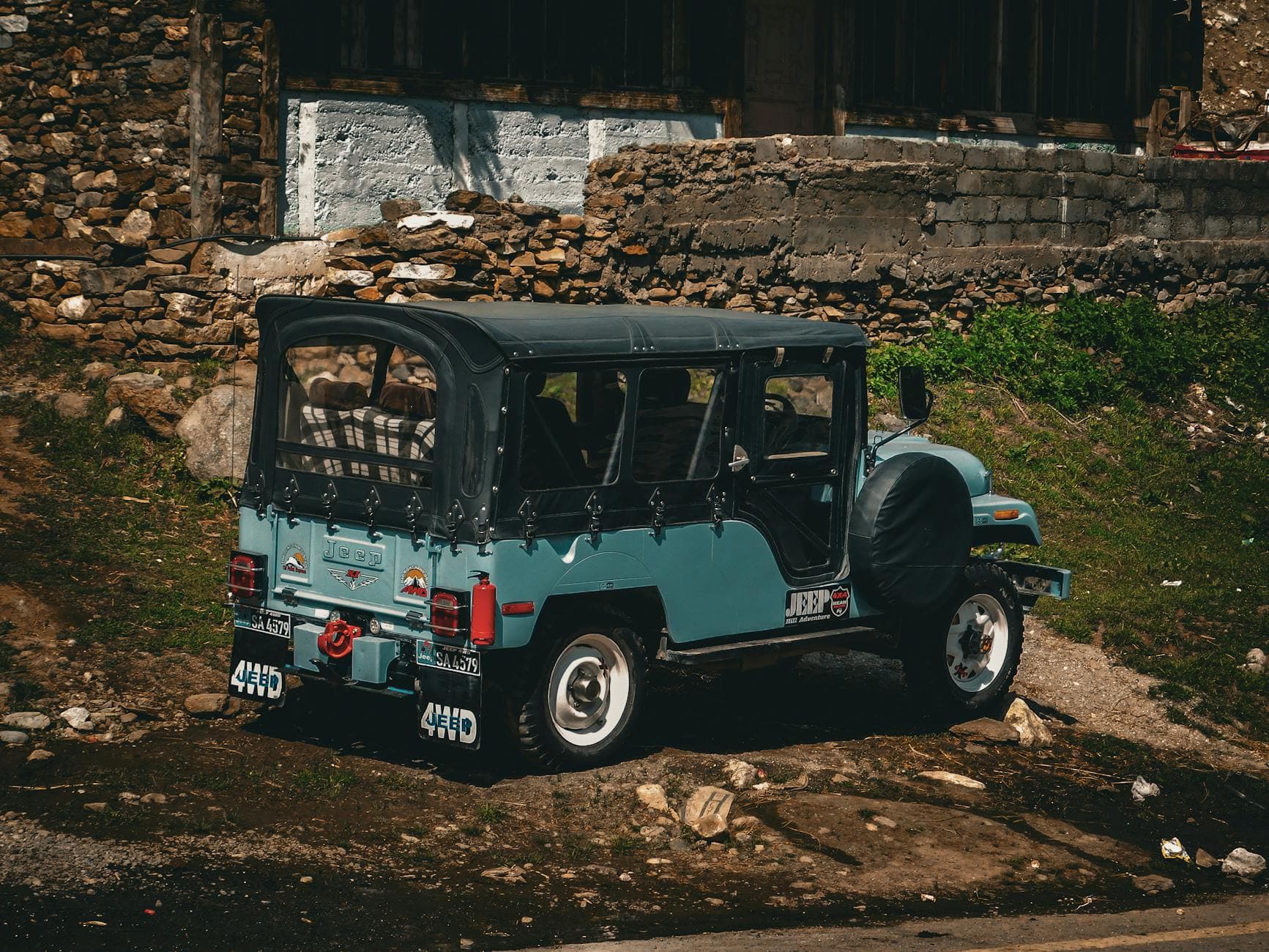
The CJ-6 was essentially a stretched CJ-5 with a 20-inch longer wheelbase (101 inches vs 81 inches). While never as popular in the US as its shorter sibling, the CJ-6 found success in military and export markets where the extra cargo capacity was valued. It's considered a predecessor to the Wrangler Unlimited concept.
Production: ~50,000 units | Wheelbase: 101 inches | Use: Military, export, utility
CJ-7 (1976-1986) — Modern Evolution
The CJ-7 represented the most significant evolution of the CJ series. With a 93.4-inch wheelbase (10 inches longer than CJ-5), it could finally accommodate an automatic transmission—a first for a CJ. It also introduced the optional molded hardtop and full steel doors, bringing unprecedented comfort to the Jeep lineup.
The CJ-7 was the first Jeep to offer the Quadra-Trac full-time 4WD system (automatic 4x4 without manual hubs). Special editions like the Renegade, Golden Eagle, and Laredo offered upgraded features and distinctive graphics packages.
Production: 379,299 units | Engines: 258ci AMC I6, 304ci AMC V8, GM 2.5L diesel | Firsts: Automatic transmission, full steel doors, molded hardtop
CJ-8 Scrambler (1981-1986) — The Pickup
The CJ-8 Scrambler combined the CJ-7's front end with a stretched wheelbase (103.4 inches) and a small pickup bed. Though only produced for five years with limited numbers, the Scrambler has become highly collectible. It was a spiritual predecessor to the modern Gladiator—proving the market desire for a Jeep-based pickup truck.
Production: 27,792 units | Wheelbase: 103.4 inches | Bed Length: 5 feet | Collectibility: Highly sought after today
CJ Legacy by the Numbers
41
Years of Production
1.5M+
Total CJs Built
7
Distinct Models
15+
Engine Options
3The Wrangler Revolution (1987-Present)
When American Motors Corporation (AMC) was acquired by Chrysler in 1987, the iconic CJ series was retired after 41 years. In its place came the Wrangler—a name chosen to evoke the rugged spirit of the American West. The Wrangler would honor the CJ's legacy while evolving to meet modern safety standards and consumer expectations.
Wrangler YJ (1987-1995)
The YJ was a significant departure from the CJ, though it maintained the essential Jeep character. The most controversial change? Square headlights—a styling decision that divided enthusiasts for decades. Purists decried the change while Jeep argued the rectangular lights improved illumination and gave the Wrangler a more modern appearance.
Beyond aesthetics, the YJ introduced crucial improvements: wider track width for better stability, a lower center of gravity, improved dashboard ergonomics, and most importantly—a passenger-side mirror (finally standard equipment!). The leaf spring suspension was retained from the CJ-7.
Notable YJ Variants:
- Islander (1988-1993): Beach-themed package with unique graphics and colors
- Sahara (1988-1995): Premium trim with upgraded interior and khaki/tan color options
- Renegade (1991-1994): Performance-focused with heavy-duty suspension
- Rio Grande (1995): Final year special edition with Renegade features
Wrangler TJ (1997-2006)
The TJ is widely considered the "sweet spot" of Wrangler evolution—modern enough to be comfortable yet simple enough to maintain the raw Jeep experience. Jeep listened to enthusiasts and brought back the iconic round headlights, reconnecting with the vehicle's heritage.
The most significant mechanical change was the adoption of coil spring suspensionreplacing the decades-old leaf springs. This transformation dramatically improved ride quality, articulation, and overall capability. The TJ rode better on pavement while climbing harder on trails.
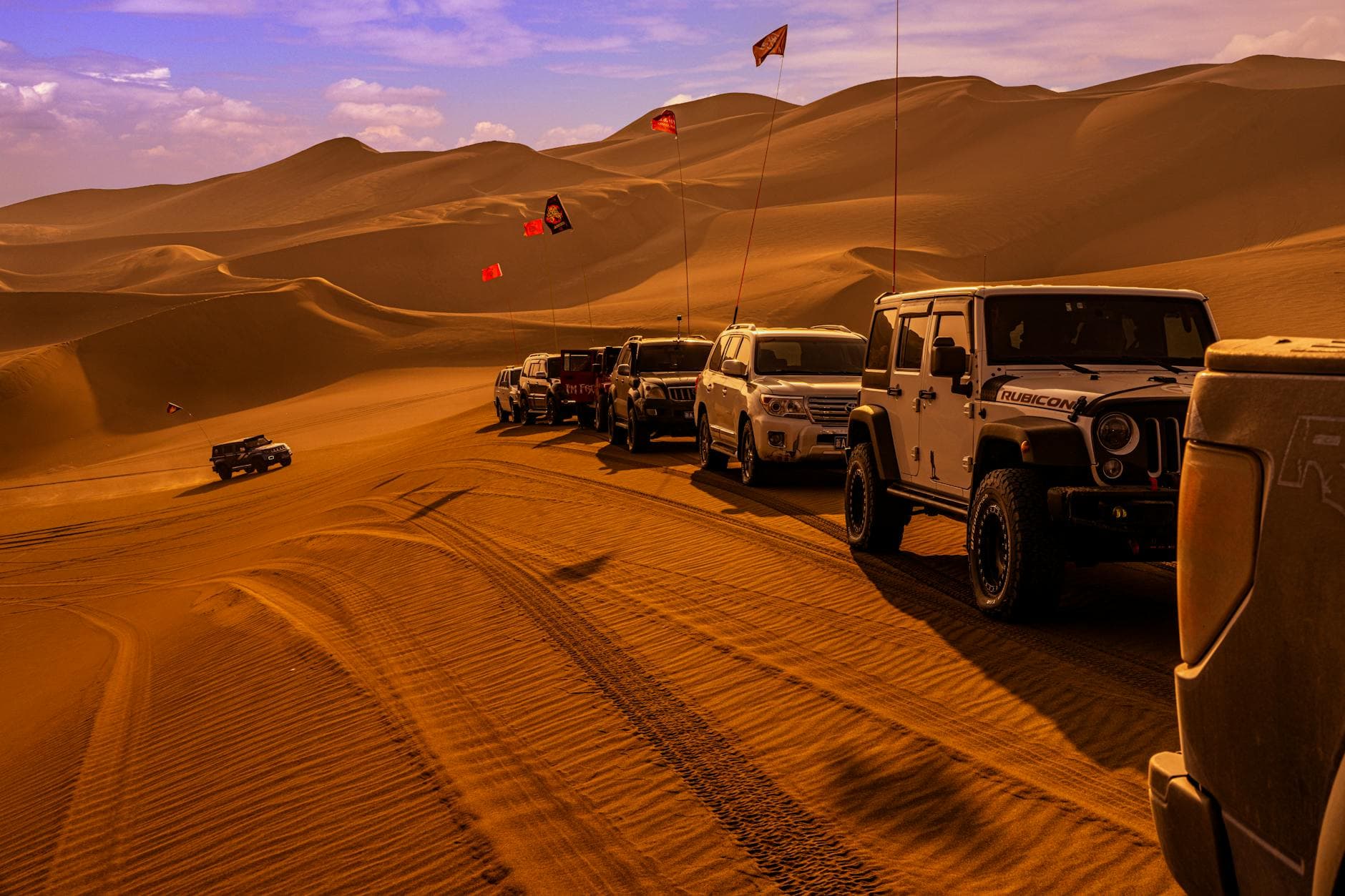
In 2003, Jeep introduced the Rubicon trim—named after the legendary Rubicon Trail in California. It featured Dana 44 axles (front and rear), 4.10 gearing, electronic locking differentials, a 4:1 low-range transfer case, and disconnecting sway bar. The Rubicon established a new benchmark for factory off-road capability.
Notable TJ Variants:
- Sport (1997-2006): Base model with essential features
- Sahara (1997-2006): Luxury trim with upgraded interior and sound systems
- Rubicon (2003-2006): Ultimate off-road package
- Unlimited/LJ (2004-2006): Extended wheelbase (10" longer), predecessor to 4-door
- Golden Eagle (2006): Tribute to the classic CJ package
Wrangler JK (2007-2018)
The JK generation represented the most radical redesign in Wrangler history. For the first time, a four-door Wrangler Unlimited was available, transforming the Jeep from a niche enthusiast vehicle into a practical family SUV. The longer wheelbase (116 inches) provided real rear-seat space and a usable cargo area.
The JK was wider, more stable, and significantly more refined than its predecessor. A completely redesigned interior finally brought the Wrangler into the modern era with available navigation, power everything, and creature comforts that CJ owners could only dream of.
The JK also introduced the Pentastar 3.6L V6 engine in 2012—a massive upgrade producing 285 horsepower (vs the previous 202 hp). This engine remains the standard Wrangler powerplant today.
Notable JK Variants:
- X (2007-2010): Base model
- Sport (2011-2018): Replaced X as base trim
- Sahara (2007-2018): Luxury/street-focused trim
- Rubicon (2007-2018): Ultimate off-road capability with e-lockers
- Rubicon Hard Rock (2015-2017): Enhanced Rubicon with rock rails
- Rubicon Recon (2017-2018): Heavy-duty axles and upgraded components
- 75th Anniversary (2016): Commemorating 75 years of Jeep
Wrangler JL (2018-Present)
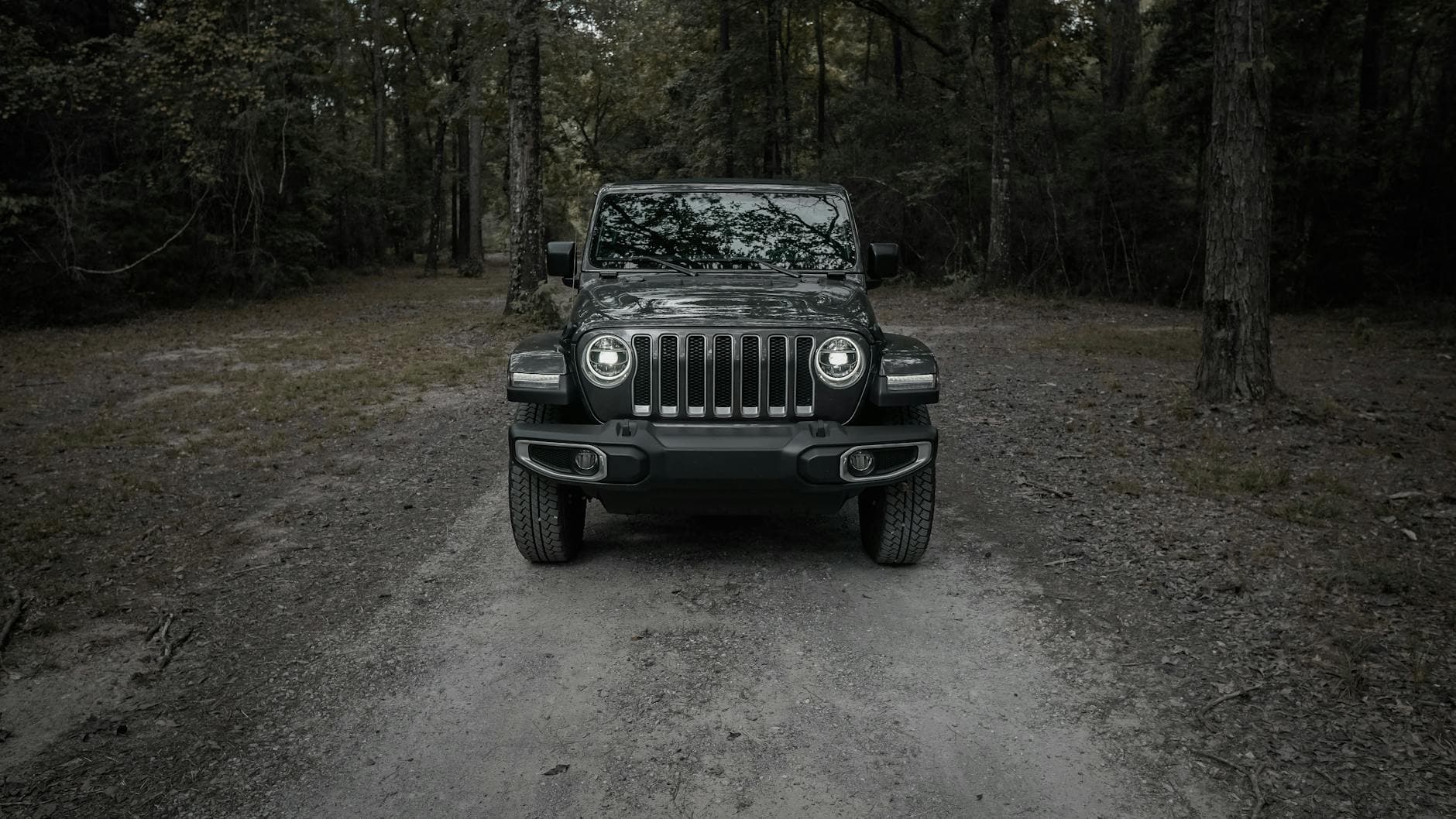
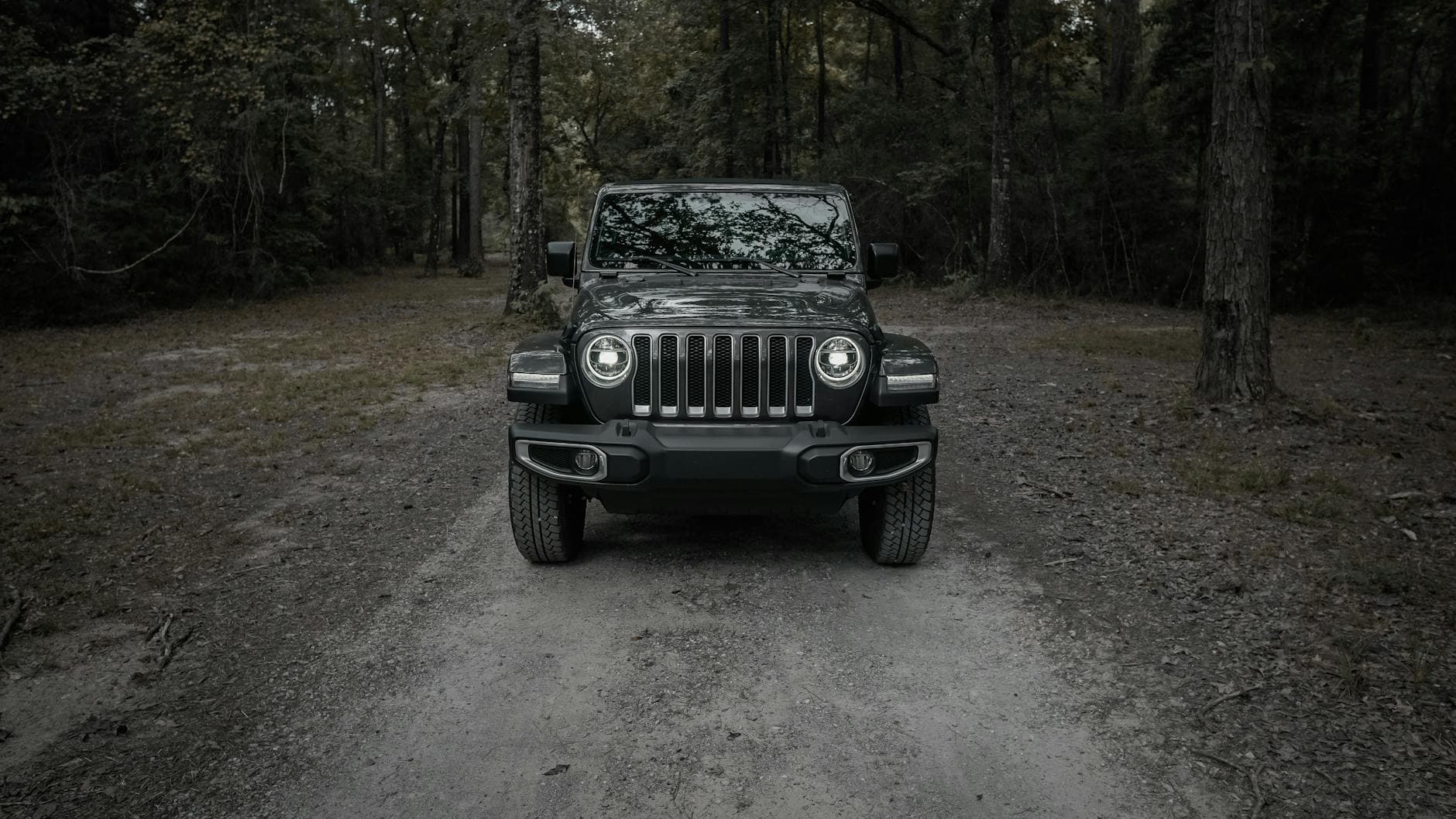
The current-generation JL is the most technologically advanced Wrangler ever built while remaining true to its roots. Despite extensive use of aluminum (hood, doors, fenders, windshield frame) to reduce weight by 200 pounds, it maintains the fundamental Jeep design language: seven-slot grille, round headlights, fold-down windshield, and removable doors.
The JL introduced multiple powertrain options for the first time: the standard 3.6L Pentastar V6, a 2.0L turbocharged four-cylinder with eTorque mild-hybrid technology, and later the 3.0L EcoDiesel V6 delivering 442 lb-ft of torque. In 2021, the Wrangler 4xe arrived—a plug-in hybrid with 375 combined horsepower, 470 lb-ft of torque, and 21 miles of electric-only range.
The Rubicon 392 (2021-present) represents the ultimate expression of Wrangler performance: a 6.4L HEMI V8 producing 470 horsepower and 0-60 in 4.5 seconds. It's the most powerful production Wrangler ever made.
Notable JL Variants:
- Sport / Sport S: Value-focused with essential Jeep capability
- Willys: Retro-styled with off-road upgrades at accessible price
- Sahara: On-road comfort with premium features
- Rubicon: Factory-built for extreme trails with 4:1 crawl ratio
- 4xe: Plug-in hybrid with instant torque and eco-credentials
- Rubicon 392: V8-powered ultimate performance Wrangler
- Rubicon X: Limited edition with premium off-road features
Wrangler Evolution by the Numbers
37+
Years of Production
4M+
Wranglers Built
470
Max HP (392)
4
Generations
4Beyond the CJ & Wrangler: The Complete Jeep Family
While the Wrangler may be the soul of Jeep, the brand's history includes an incredible diversity of vehicles—from stylish roadsters to full-size luxury SUVs, rugged trucks to compact crossovers. Each has contributed to making Jeep one of the most recognized automotive brands on Earth.
Post-War Expansion (1946-1965)
Willys Jeep Station Wagon (1946-1965)
The first all-steel station wagon ever mass-produced, predating the minivan concept by decades. It was designed by industrial designer Brooks Stevens and could be configured with either two-wheel or four-wheel drive—making it the world's first mass-produced 4WD wagon.
Production: 300,000+ | Available: 2WD and 4WD | Notable: Pioneered the SUV concept
Willys Jeep Truck (1947-1965)
A rugged pickup truck based on the station wagon platform. Available in multiple bed lengths and with 2WD or 4WD configurations, it served farmers, contractors, and small businesses for nearly two decades.
Production: 200,000+ | Configurations: Pickup, stake bed, cab-over
Jeepster (1948-1950)
A stylish phaeton-style roadster designed to appeal to post-war consumers seeking fun transportation. Notably, the original Jeepster was rear-wheel drive only—an oddity for Jeep. While beautiful, it was underpowered and didn't sell well. Only 19,132 were built.
Production: 19,132 | Drive: 2WD only | Collectibility: Highly sought after
Jeepster Commando (1966-1973)
A compact SUV available in multiple body styles: convertible, roadster, station wagon, and pickup. Unlike its predecessor, the Commando came standard with 4WD. It competed with the Ford Bronco and International Scout, offering Jeep capability in a smaller, more refined package.
Production: ~80,000 | Body Styles: 4 different configurations
Full-Size Jeeps & Trucks
Wagoneer (1963-1991)
The original luxury SUV that defined the segment for decades. Introduced by Kaiser Jeep in 1963, the Wagoneer pioneered features like automatic transmission, independent front suspension, and power steering in a 4WD vehicle. The Grand Wagoneer (1984-1991) became an icon of 1980s affluence with its wood-grain paneling and leather interior.
Production: 28 years | Legacy: Created the luxury SUV segment
J-Series Trucks (1963-1988)
Full-size pickup trucks sharing the Wagoneer platform. The J-10 (half-ton) and J-20 (three-quarter-ton) were workhorses favored by farmers, ranchers, and anyone needing serious hauling capability with 4WD. The Honcho package (1976-1983) added sporty graphics and became a collector favorite.
Models: J-10, J-20 | Special Editions: Honcho, Golden Eagle, 10-4
Forward Control (FC) (1956-1965)
A cab-over-engine (COE) truck design placing the driver directly above the front axle. Available in FC-150, FC-170, and FC-180 variants, these unusual-looking trucks offered maximum cargo space in a compact package. Today they're highly collectible for their unique styling.
Variants: FC-150, FC-170, FC-180 | Use: Commercial, fire trucks, utility
Comanche MJ (1986-1992)
A compact pickup truck based on the Cherokee XJ platform. The Comanche offered the utility of a truck bed with Cherokee's renowned off-road capability and fuel efficiency. It was the last Jeep-branded pickup until the Gladiator arrived in 2020—a 28-year gap.
Production: ~190,000 | Bed Options: 6' or 7' | Collectibility: Growing
The Cherokee Dynasty
Cherokee SJ (1974-1983)
A two-door variant of the full-size Wagoneer, the SJ Cherokee was marketed as a sportier alternative. It offered the same body-on-frame construction and powerful V8 engines but with a more athletic image.
Platform: Full-size Wagoneer | Configuration: 2-door
Cherokee XJ (1984-2001)
Perhaps the most influential Jeep ever made. The XJ introduced unibody constructionto the 4WD world, proving that off-road capability didn't require a truck frame. Its compact size, legendary 4.0L inline-six, and incredible approach angles made it one of the most capable and affordable off-roaders ever produced. The XJ created the modern SUV segment.
Production: 2.8 million | Engine: 4.0L I6 | Legacy: Defined the modern SUV
Cherokee KJ "Liberty" (2002-2007)
Replaced the beloved XJ with a more modern, rounded design. Sold as "Liberty" in North America to differentiate it from the XJ. Featured independent front suspension—controversial among purists—and introduced the first Jeep diesel in the US market (2.8L CRD).
Also Known As: Jeep Liberty | First Jeep with: Independent front suspension
Cherokee KK "Liberty" (2008-2012)
Second-generation Liberty with more aggressive styling and improved refinement. Continued offering solid off-road capability in a compact package, though it remained somewhat overshadowed by the larger Grand Cherokee.
Engine: 3.7L V6 | Trail Rating: Available
Cherokee KL (2014-Present)
A dramatic return to the Cherokee name with polarizing "split" headlight design. Built in Belvidere, Illinois, the KL Cherokee offers excellent on-road manners with available Trailhawk trim providing serious off-road capability including a 2.72:1 low-range ratio and locking rear differential.
Platform: Fiat Compact US Wide | Trailhawk: Factory off-road trim
Grand Cherokee: Luxury Meets Capability
Grand Cherokee ZJ (1993-1998)
The original Grand Cherokee was famously introduced when Chrysler CEO Bob Lutz drove one up the steps of Detroit's Cobo Hall and through a plate glass window at the 1992 Detroit Auto Show. It established Jeep in the premium SUV market with a refined interior, powerful V8 options, and the innovative Quadra-Trac 4WD system.
Engines: 4.0L I6, 5.2L V8, 5.9L V8 | First Year Sales: 210,000+ units
Grand Cherokee WJ (1999-2004)
Larger, more refined, and more luxurious than its predecessor. Introduced the Quadra-Drivesystem with Vari-Lok differentials for even better traction. The WJ cemented Jeep's reputation for combining genuine off-road capability with premium comfort.
New Feature: Quadra-Drive | Premium Trim: Limited, Overland
Grand Cherokee WK (2005-2010)
The first Grand Cherokee to offer the mighty HEMI V8 (5.7L, 330 hp). Also introduced the SRT8 performance variant (2006) with a 6.1L HEMI producing 420 horsepower—making it one of the fastest SUVs on the planet at the time.
Top Engine: 6.1L HEMI (SRT8) | Diesel Option: 3.0L CRD (Europe)
Grand Cherokee WK2 (2011-2021)
A decade-long production run with continuous improvement. Introduced Quadra-Lift air suspension, the EcoDiesel V6, and the insane Trackhawk (2018)—featuring a 707-horsepower supercharged Hellcat V8, 0-60 in 3.5 seconds, making it the world's fastest SUV.
Trackhawk: 707 hp Hellcat V8 | Summit: Ultra-luxury trim | Trailhawk: Off-road specialist
Grand Cherokee WL (2021-Present)
The fifth-generation Grand Cherokee introduced an all-new platform and, for the first time, a three-row Grand Cherokee L variant. Built in Detroit at the new Mack Assembly Plant, the WL features available 4xe plug-in hybrid powertrain, the most advanced Uconnect infotainment ever, and available air suspension on all trims. The flagship Grand Cherokee Summit Reserve rivals luxury brands with features like Palermo leather, McIntosh audio, and night vision.
New: 3-row L variant | 4xe: 375 combined hp, 25 miles EV range | Assembly: Detroit, Michigan
Modern Jeep Lineup
Gladiator JT (2020-Present)
The first Jeep pickup truck since the Comanche ended production in 1992. Built on the JL Wrangler platform with a stretched wheelbase (137.3 inches) and 5-foot steel bed, the Gladiator offers the same open-air freedom and removable top panels as the Wrangler. Available with the Rubiconpackage for serious off-roading and a segment-best 7,650 lb towing capacity.
Bed: 5-foot steel | Towing: 7,650 lbs max | Engine: 3.6L V6, 3.0L Diesel
Wagoneer & Grand Wagoneer (2022-Present)
The triumphant return of Jeep's most prestigious nameplate. The modern Wagoneer is a full-size, three-row luxury SUV built to compete with the Cadillac Escalade and Lincoln Navigator. The Grand Wagoneer goes even further with standard 6.4L HEMI V8, 24-inch wheels, McIntosh audio, and a price tag exceeding $100,000 fully equipped.
Engines: 3.0L Hurricane I6, 6.4L HEMI V8 | Seating: Up to 8 | Towing: 10,000 lbs
Compass (2007-Present)
Jeep's entry into the compact crossover market. The second-generation Compass (2017+) offers respectable off-road capability in the Trailhawk trim with a proper 4WD system, skid plates, and increased ground clearance—proving that even small Jeeps can be Trail Rated.
Platform: Fiat Small Wide 4x4 | Trailhawk: Off-road capability
Renegade (2015-Present)
Jeep's smallest vehicle, built in Italy on a Fiat platform. Despite its size, the Renegade Trailhawk is genuinely capable off-road with its Selec-Terrain system and Active Drive Low 4WD. The Renegade brought Jeep to a new generation of younger, urban buyers while maintaining the brand's adventure spirit.
Built In: Melfi, Italy | Platform: Fiat 500X shared | Trail Rated: Trailhawk trim
Patriot (2007-2017)
A compact SUV that shared its platform with the first-generation Compass. While often criticized for its basic interior, the Patriot offered genuine Jeep capability at an accessible price point. It was discontinued in 2017 as Jeep consolidated its compact lineup.
Status: Discontinued 2017 | Replacement: Second-gen Compass
Commander (2006-2010, 2022-Present)
The original Commander was a three-row SUV based on the WK Grand Cherokee. After a decade hiatus, the Commander name returned in 2022 for certain markets (South America, Middle East) as a three-row variant of the Compass, while US buyers get the Grand Cherokee L for seven-passenger needs.
Original: 2006-2010 | Revival: 2022 (select markets)
5Corporate Ownership: A Journey Through Eight Decades
Few automotive brands have passed through as many corporate hands as Jeep while maintaining such a consistent identity. Through eight ownership changes, the core values of capability, freedom, and adventure have remained constant.
Willys-Overland Motors
The birthplace of Jeep. Willys won the WWII contract, trademarked the "Jeep" name in 1950, and pioneered the civilian market with the CJ series, Station Wagon, and Jeep Truck.
Kaiser-Willys / Kaiser Jeep Corporation
Henry J. Kaiser's company acquired Willys and invested heavily in product development. This era produced the CJ-5, CJ-6, Forward Control trucks, and the revolutionary Wagoneer—the world's first luxury 4WD SUV. Kaiser also expanded international production significantly.
American Motors Corporation (AMC)
AMC's acquisition brought the legendary 4.0L inline-six engine and the groundbreaking Cherokee XJ—arguably the most influential SUV ever made. AMC also introduced the CJ-7, CJ-8 Scrambler, and began development of what would become the YJ Wrangler. The Renault partnership (1979) brought needed capital during a difficult economic period.
Chrysler Corporation
Chrysler bought AMC primarily for Jeep, which Lee Iacocca called "the crown jewel." This era brought the Grand Cherokee ZJ—launched dramatically through a plate glass window at the 1992 Detroit Auto Show. The TJ Wrangler (1997) returned round headlights and introduced coil spring suspension, pleasing enthusiasts worldwide.
DaimlerChrysler AG
The German-American merger brought Mercedes-Benz engineering influence and expanded global distribution. This era saw the WJ Grand Cherokee, the introduction of the Rubicon trim (2003), the compact Liberty KJ, and the development of the all-new JK Wrangler with its revolutionary four-door Unlimited variant.
Chrysler LLC / Cerberus / Fiat SpA
A turbulent period including the 2008 financial crisis and Chrysler's bankruptcy. Italian automaker Fiat acquired Chrysler's assets, beginning a transformation that would eventually create FCA. Despite challenges, Jeep survived and thrived with strong JK Wrangler and WK2 Grand Cherokee sales.
Fiat Chrysler Automobiles (FCA)
Under CEO Sergio Marchionne, Jeep became the centerpiece of FCA's global strategy. Record sales, aggressive international expansion, and products like the Renegade, Compass, JL Wrangler, Gladiator JT, and Grand Cherokee Trackhawk (707 hp!) made this a golden age for Jeep.
Stellantis N.V.
FCA merged with Groupe PSA (Peugeot) to form Stellantis, the world's fourth-largest automaker. Jeep continues as a flagship brand with the WL Grand Cherokee, Wagoneer/Grand Wagoneer revival, and electrified 4xe plug-in hybrid variants of the Wrangler and Grand Cherokee. Headquarters remain in Auburn Hills, Michigan.
6Military Service: From World War II to Today
The Jeep's military service didn't end with World War II. Descendants of the original Willys MB have served in every major American conflict since 1941, and military Jeeps are still in use by armed forces around the world today.
M38 (1950-1952) — Korean War
A militarized version of the CJ-3A developed for the Korean War. Featured a waterproofed 24-volt electrical system, larger headlights mounted in the fenders, and improved ventilation. Approximately 61,000 were produced.
M38A1 (1952-1957)
Featured the all-new rounded body design that would become the CJ-5. Powered by the Hurricane F-head engine with increased displacement. Used extensively in Korea and remained in service through the early Vietnam era. Over 100,000 built.
M151 MUTT (1959-1980s)
The "Military Utility Tactical Truck" replaced the M38 series. Though built by Ford and not technically a Jeep, it carried on the quarter-ton 4x4 tradition through Vietnam and beyond. Featured independent suspension—revolutionary for its time.
HMMWV/Humvee (1984-Present)
AM General's High Mobility Multipurpose Wheeled Vehicle replaced the M151 and became iconic during Desert Storm. While not a Jeep, the Humvee represents the spiritual successor to the original military Jeep's role. The civilian Hummer H1 was a direct adaptation.
International Military Jeeps
Jeep designs were licensed and built by numerous countries, often long after US production ended:
- Mahindra (India): Still produces Jeep-derived vehicles today, beginning with CJ-3B in 1954
- Mitsubishi (Japan): Built CJ-3B Jeeps from 1953, evolved into the Pajero/Montero
- IKA (Argentina): Produced CJ-3B and Jeep Gladiator variants 1956-1980
- Hotchkiss (France): Built MB/M38 Jeeps for NATO forces 1954-1966
- EBRO (Spain): Produced various Jeep models through the 1970s
7Jeep Icons & Innovations
The Seven-Slot Grille
The iconic seven-slot grille is one of the most recognizable design elements in automotive history. Legend has it that the original Willys MB had a nine-slot grille, while Ford's GPW had an inverted trapezoid style. The seven-slot design was adopted post-war to distinguish civilian Jeeps and avoid Ford's patents. Jeep trademarked the design, making it one of the few automotive styling elements protected as intellectual property.
Fun fact: Count the slots on any Jeep—it's always seven. Competitors legally cannot use this design.
Trail Rated Badge
Introduced in 2004, the Trail Rated badge certifies that a Jeep has passed a series of grueling tests evaluating five key off-road capabilities:
- Traction: Ability to maintain forward momentum on slippery surfaces
- Ground Clearance: Ability to clear obstacles without underbody damage
- Maneuverability: Ability to navigate tight spaces and sharp turns
- Articulation: Suspension travel to maintain tire contact on uneven terrain
- Water Fording: Ability to safely cross water obstacles
The Rubicon Trail
The legendary Rubicon Trail in California's Sierra Nevada mountains inspired Jeep's most capable trim level. This 22-mile trail from Lake Tahoe to Georgetown is considered one of America's most challenging off-road routes, featuring massive granite boulders, steep grades, and notorious obstacles like the "Little Sluice" and "Big Sluice" rock gardens.
When Jeep launched the Rubicon package in 2003, they demonstrated it by driving a pre-production TJ Rubicon across the entire trail—stock, unmodified, and without incident.
Hidden Easter Eggs
Since 1996, Jeep designers have hidden small "easter eggs" throughout their vehicles—tiny designs that owners discover over time. These include:
- A small Jeep climbing a hill on the windshield corner
- "Since 1941" stamped in various locations
- A Willys MB silhouette in the headlight housings
- Spider graphics hidden in the JL Wrangler's fuel door area
- Topographic maps of Moab in the cup holder rubber
- "Sand Lizard" graphics in desert-themed models
- The Loch Ness Monster on certain rear windows
- Sasquatch footprints in Renegade models
The Jeep Wave
Perhaps no automotive brand has a stronger owner community than Jeep, symbolized by the famous "Jeep Wave"—an acknowledged greeting between Jeep owners on the road. The tradition dates back to World War II when soldiers would wave to acknowledge fellow servicemembers driving the same vehicles.
Unwritten rules govern the wave: Wrangler owners wave first to other Wranglers, older Jeeps have "right of way," and modified/lifted Jeeps acknowledge others of similar build. Jeep even formalized this with the "Jeep Wave" customer care program (2015)—providing 24/7 support and VIP treatment for Wrangler and Gladiator owners.
8The Jeep Community & Major Events
More than any other vehicle brand, Jeep has cultivated a passionate community of owners who share a love for adventure and the outdoors. Jeep clubs exist in virtually every country, and major events draw tens of thousands of enthusiasts annually.
Major Jeep Events
Easter Jeep Safari — Moab, Utah
The granddaddy of all Jeep events, held annually since 1967. Nine days of organized trail rides through Moab's legendary red rock terrain. Jeep's design team debuts concept vehicles here each year, many of which influence future production models. Attracts 2,500+ vehicles annually.
Jeep Beach — Daytona Beach, Florida
The world's largest Jeep-only event, drawing over 30,000 vehicles and 200,000 spectators annually. Five days of beach driving, vendor exhibits, obstacle courses, and live entertainment. Held each spring since 2005.
Jeep Jamboree USA
A series of off-road adventure weekends held at various locations across the United States since 1953. Events include guided trail rides, technical instruction, and camaraderie. The original Rubicon Jeep Jamboree has been running continuously since 1953.
Camp Jeep / Jeep Experience
Official factory-sponsored events where prospective buyers and owners can test Jeep vehicles on purpose-built off-road courses. Camp Jeep has traveled to various locations, demonstrating capabilities that owners might never explore on their own.
9Jeep in Popular Culture
Few vehicles have achieved the cultural penetration of the Jeep. From World War II propaganda films to modern blockbusters, the Jeep has been a constant presence in film, television, and media.
Film & Television Highlights
- Jurassic Park (1993): Wrangler YJs became iconic alongside dinosaurs
- M*A*S*H (1972-1983): Military Jeeps throughout the Korean War comedy-drama
- Tomb Raider series: Lara Croft's Jeep adventures
- The A-Team (1983-1987): Featured various Jeep CJ models
- Twister (1996): Storm chasers used Jeeps extensively
- Jurassic World (2015+): Mercedes-Benz replaced Jeeps (much fan disappointment)
Video Games
- Call of Duty series: WWII Jeeps in campaign modes
- Forza Horizon series: Licensed Jeep vehicles throughout
- Gran Turismo series: Multiple Jeep models available
- PUBG / PlayerUnknown's Battlegrounds: Jeep-style vehicles
- Halo series: The "Warthog" was clearly Jeep-inspired
- Offroad Outlaws: Jeep builds featured prominently
Famous Jeep Owners
- President Ronald Reagan: Had a CJ-8 Scrambler at his ranch
- President Lyndon Johnson: Drove an Amphicar-equipped Jeep at his Texas ranch
- General Dwight D. Eisenhower: Famously used Jeeps throughout WWII
- Country singer Tim McGraw: Noted Jeep enthusiast
- Chef Guy Fieri: Known for his modified Wrangler collection
Military History Moments
- General Douglas MacArthur's return to the Philippines
- General George Patton surveying battlefields in North Africa
- D-Day landing craft deploying Jeeps onto Normandy beaches
- The iconic flag-raising on Iwo Jima—Jeeps nearby
- President Franklin Roosevelt reviewing troops from a Jeep
Jeep Milestones & Records
- 1941: First prototype delivered in 49 days
- 1945: First civilian Jeep (CJ-2A) produced
- 1950: "Jeep" trademark registered by Willys
- 1963: First luxury 4WD SUV (Wagoneer) introduced
- 1984: Cherokee XJ creates modern SUV segment
- 2007: First four-door Wrangler (JK Unlimited)
- 2018: Trackhawk becomes world's fastest SUV (707 hp)
- 2020: First Jeep pickup in 28 years (Gladiator)
- 2021: First plug-in hybrid Wrangler (4xe)
Continue the Legacy
From the battlefields of World War II to the trails of Moab, Jeep has been synonymous with freedom, adventure, and capability for over 80 years. At Yittzy, we carry over 118,000 parts and accessories for all Jeep models—from classic CJ restorations to the latest JL Wrangler builds. Whatever your Jeep adventure requires, we have the parts to make it happen.